Why AI Carbon Footprint Matters for Sustainable Development
I noticed my API bills kept climbing. Then I started thinking about what that actually meant in terms of electricity, cooling, and carbon. Turned out nobody on my team had thought about it either.
The Scale Is Not Small
Training a large language model uses roughly the same electricity as a hundred households in a year. Inference—every query you send—adds up too. A single AI-powered feature might handle millions of requests.
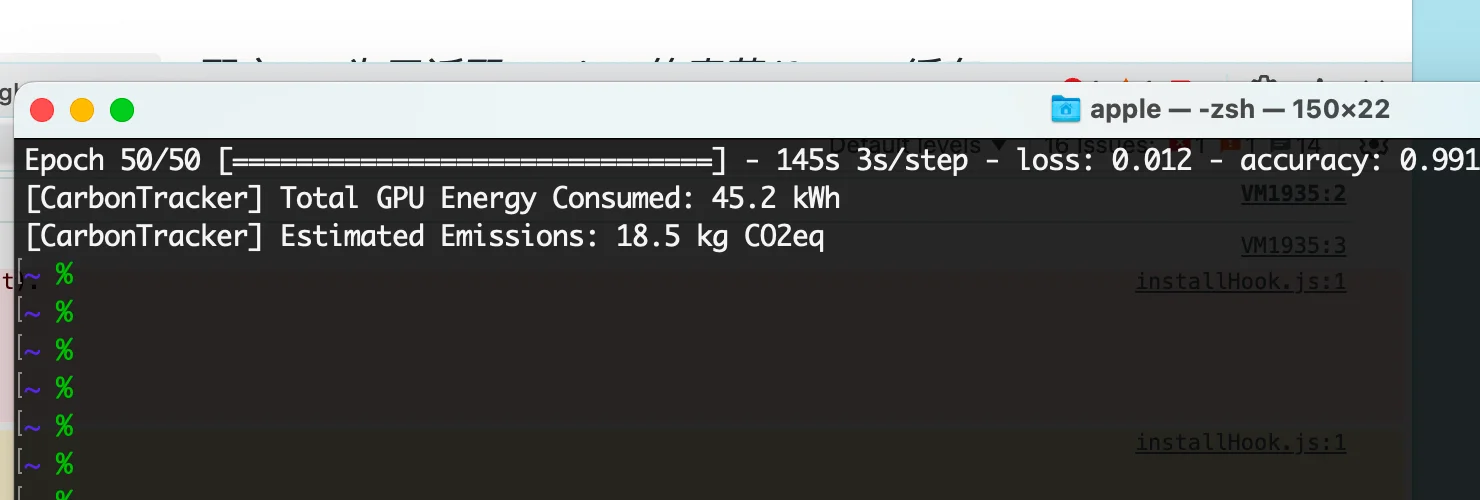
Ran one fine-tuning session and saw 45.2 kWh of energy consumption, then looked at the AWS bill - my heart bled.
Data centers running AI workloads draw massive power. Cooling alone is a huge portion of the overhead. The industry publishes these numbers, but they're buried in sustainability reports nobody reads until they need to justify budget.
What Actually Matters in Measurement
Most carbon calculators fall into two camps: too simple or too complex.
The simple ones use static averages by region. Useful for rough estimates, but if you're running queries at 3am in a region with lots of wind, your carbon intensity is way lower than the average.
The complex ones require detailed inputs about hardware, workload patterns, time of day. Great if you have the data, painful to configure.
I wanted something in between. The AI Carbon Calculator uses approximate regional carbon intensity and hardware power profiles. Not precise measurements, but enough to understand the order of magnitude.
When It Actually Matters
For personal use, carbon footprint is about awareness. Understanding that a million queries has a real environmental cost changes how you think about optimization.
For teams, it gets more concrete. Caching responses instead of regenerating. Using smaller models for simple tasks. Saving the big model for when it actually earns its compute cost.
For organizations, investor pressure and regulatory requirements are making this non-optional in some jurisdictions. If you're building AI products, at some point you'll need to report on this.
The Honest Limitations
I should be straight about what these tools can and can't do. Approximate regional data is not real-time grid intelligence. If you're making decisions about where to run critical workloads for environmental reasons, you need actual carbon intensity APIs from your cloud provider.
The calculator tells you roughly where you stand. It doesn't replace a serious sustainability strategy.
For enterprise reporting, look at what your cloud provider offers directly. AWS, GCP, and Azure all have carbon reporting tools that integrate with their actual infrastructure data.